
Abnormal Uterine Bleeding
Bleeding that is heavier, longer, more frequent, or occurs between periods can have many causes, including hormonal changes, pregnancy-related conditions, medicines, or uterine problems.
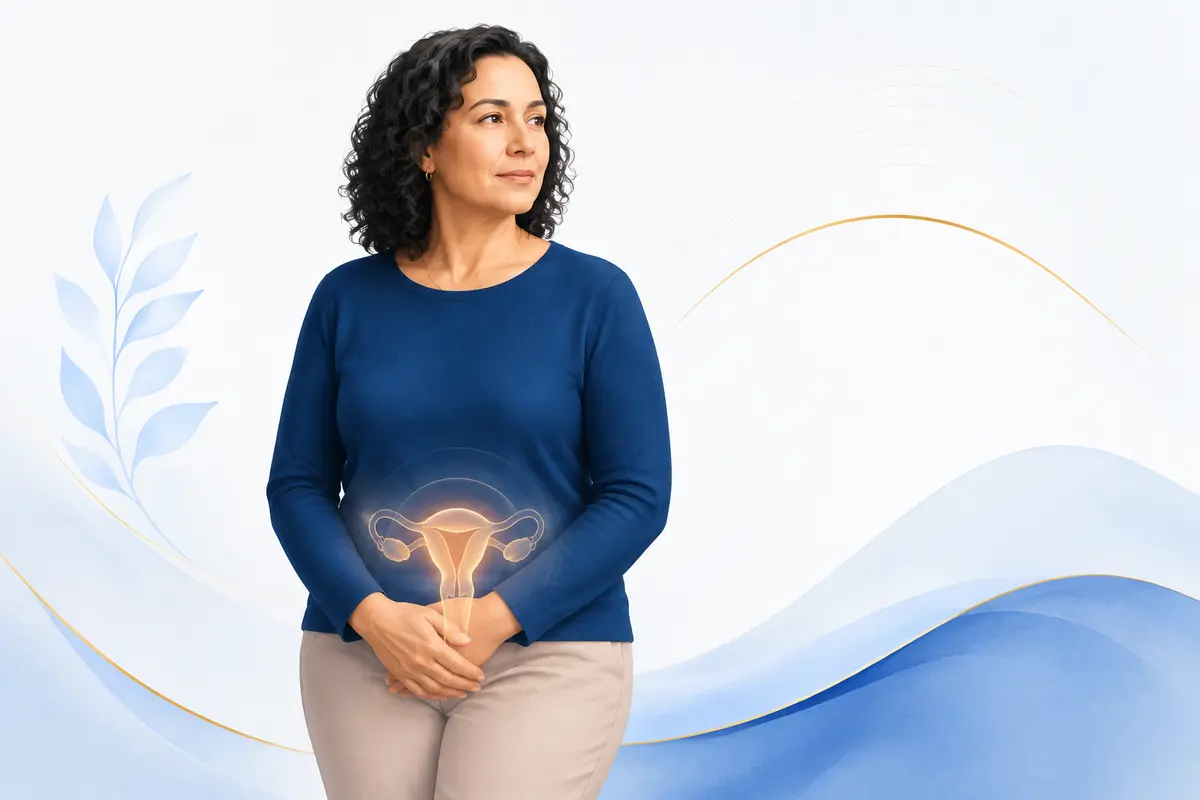
About abnormal uterine bleeding
Bleeding that is heavier, longer, more frequent, or occurs between periods can have many causes, including hormonal changes, pregnancy-related conditions, medicines, or uterine problems.
What can cause it?
Possible causes include ovulation or hormone changes, fibroids, polyps, pregnancy-related conditions, infection, thyroid disease, bleeding disorders, and some medicines.
The pattern of bleeding and the patient's age, pregnancy possibility, and medical history guide the evaluation.
What a patient may notice
Symptoms vary from person to person. Possible signs may include:
- Soaking pads or tampons more quickly than usual
- Bleeding between periods or after sex
- Pelvic pain, dizziness, weakness, or fatigue
How clinicians find the cause
Evaluation may include a pregnancy test, blood count to check for anemia, medication review, pelvic examination, STI testing, thyroid or other blood tests, and pelvic ultrasound. Some patients need gynecology follow-up or sampling of the uterine lining.
Treatment and next steps
- 1
Treatment is chosen according to the cause, bleeding severity, pregnancy plans, and other health conditions.
- 2
Options may include iron replacement, hormonal treatment, nonhormonal medicine, treatment of infection, or a gynecologic procedure.
- 3
Very heavy bleeding or pregnancy-related bleeding may require emergency treatment.
Supporting recovery
- Track bleeding dates, clots, pad or tampon use, pain, dizziness, and missed periods.
- Bring a current medicine list, including hormones, supplements, and blood thinners.
- Avoid assuming unusual bleeding is a normal period when pregnancy is possible.
What to expect
Many causes can be controlled once identified. The time needed for bleeding to improve depends on the cause and treatment. Continued follow-up is important when bleeding returns, anemia is present, or the initial treatment does not control symptoms.
Possible complications
- Iron-deficiency anemia
- Severe blood loss with dizziness, fainting, or cardiovascular strain
- Pregnancy or fertility complications depending on the underlying cause
When to Contact a Medical Professional
Arrange an evaluation when symptoms are new, worsening, interfering with normal activities, or not improving as expected.
Call 911 for very heavy bleeding with fainting, severe weakness, chest pain, or trouble breathing. Pregnancy with bleeding and severe pain needs emergency evaluation.Get emergency help for severe trouble breathing, new chest pressure, fainting, seizure, sudden weakness on one side, uncontrolled bleeding, blue or gray lips, or a person who is difficult to wake.
Ways to lower risk
- Many causes cannot be prevented.
- Routine gynecologic care, taking prescribed hormones correctly, and early evaluation of abnormal bleeding may reduce complications.
Trusted health information
This CHS patient-education page uses original wording and links to MedlinePlus for additional information.