
Abscess
An abscess is a pocket of pus caused by infection. It may need drainage and sometimes prescription treatment.
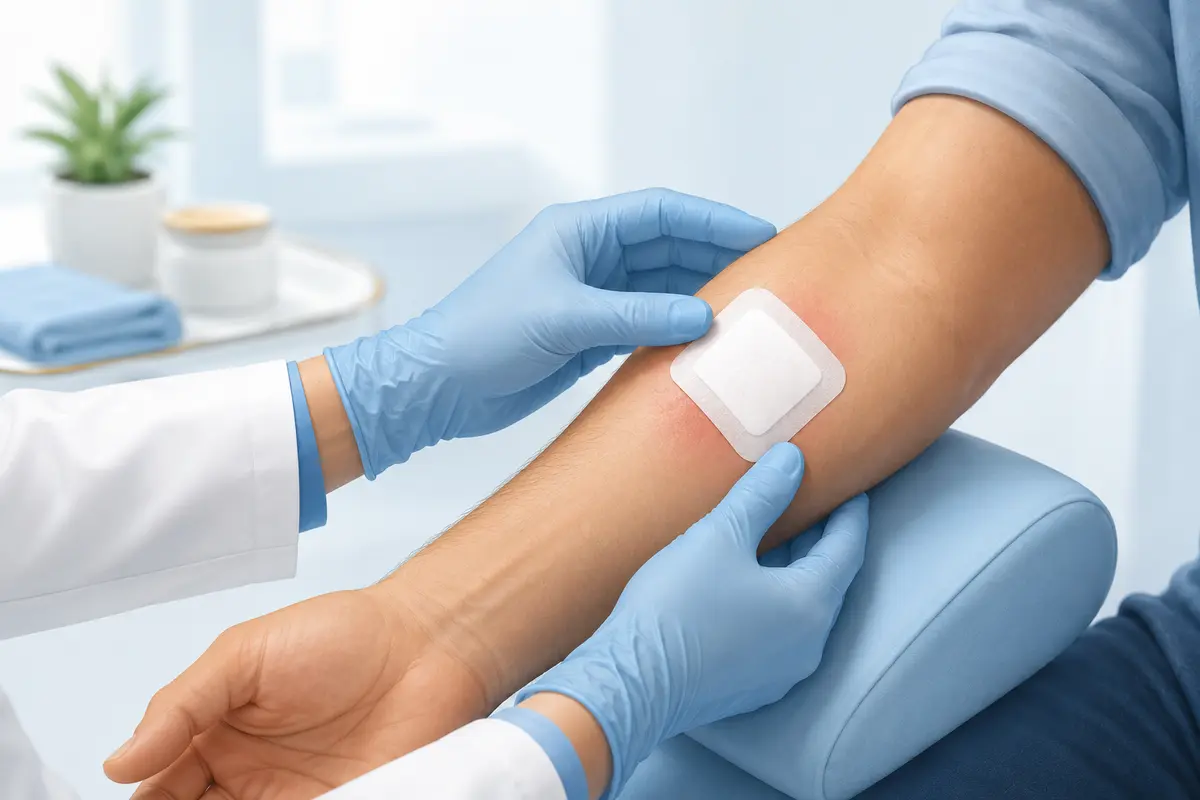
About abscess
An abscess is a pocket of pus caused by infection. It may need drainage and sometimes prescription treatment.
What can cause it?
An abscess usually develops when bacteria enter through a hair follicle, cut, injection site, or other break in the skin.
Diabetes, immune problems, friction, close contact, and prior resistant bacterial infections can increase risk.
What a patient may notice
Symptoms vary from person to person. Possible signs may include:
- Painful, warm, swollen lump
- Redness or pus drainage
- Fever or redness spreading away from the area
How clinicians find the cause
Most skin abscesses are diagnosed by examination. A clinician may use ultrasound to look for a pocket under the skin and may send drained material for culture, especially with recurrent, severe, or resistant infections.
Treatment and next steps
- 1
Many abscesses need a procedure to drain the pus; antibiotics alone may not be enough.
- 2
Antibiotics may be prescribed when infection is spreading, fever is present, the location is high-risk, or the patient has certain medical conditions.
- 3
Do not squeeze, cut, or puncture an abscess at home.
Supporting recovery
- Use a clean warm compress for a small uncomplicated area while arranging care.
- Keep drainage covered with a clean dressing and wash hands before and after touching it.
- Do not share towels, razors, clothing, or athletic equipment.
What to expect
Most uncomplicated skin abscesses improve after effective drainage and appropriate wound care. Healing time varies with size, location, and medical history. Some abscesses recur and need culture results, additional treatment, or evaluation for an underlying risk factor.
Possible complications
- Cellulitis or infection spreading through nearby skin
- Infection spreading into deeper tissue or the bloodstream
- Scarring or recurrence, especially when risk factors remain
When to Contact a Medical Professional
A same-day medical evaluation is recommended, especially when symptoms are severe, worsening, or accompanied by fever, vomiting, weakness, or significant pain.
Seek emergency care for rapid spreading redness, confusion, fainting, severe illness, or infection near the eye with vision changes.Get emergency help for severe trouble breathing, new chest pressure, fainting, seizure, sudden weakness on one side, uncontrolled bleeding, blue or gray lips, or a person who is difficult to wake.
Ways to lower risk
- Clean cuts promptly and keep them covered while healing.
- Use good hand hygiene and avoid sharing personal items.
- Recurrent abscesses may require evaluation for bacterial colonization or an underlying condition.
Trusted health information
This CHS patient-education page uses original wording and links to MedlinePlus for additional information.