
Diabetes
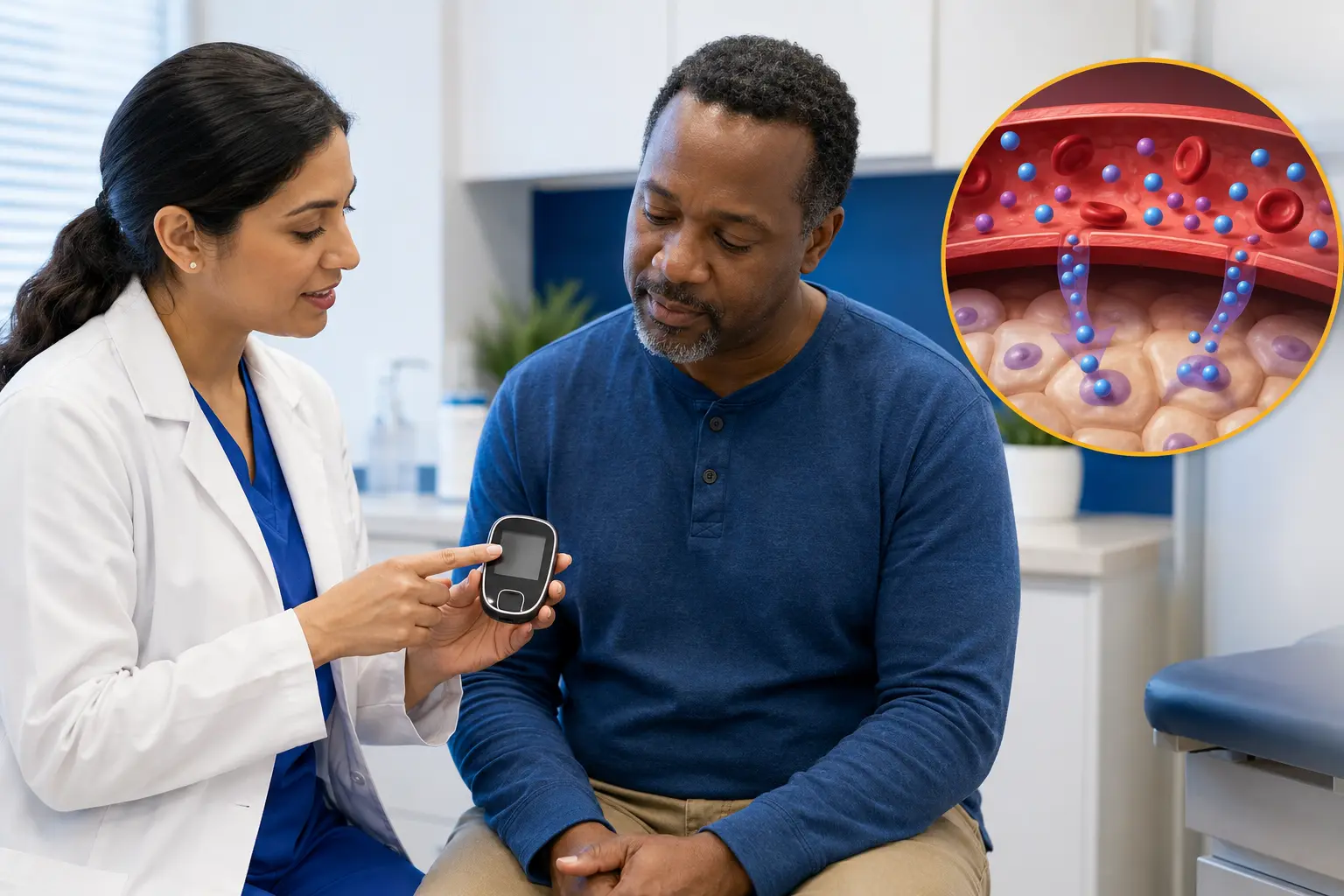
Diabetes causes blood glucose levels to remain too high because the body does not make enough insulin or cannot use it effectively.
About diabetes
Diabetes causes blood glucose levels to remain too high because the body does not make enough insulin or cannot use it effectively.
What can cause it?
Diabetes occurs when insulin is absent, insufficient, or ineffective, causing blood glucose to rise.
Type 1 is autoimmune; type 2 involves insulin resistance; pregnancy and other conditions can cause additional forms.
What a patient may notice
Symptoms vary from person to person. Possible signs may include:
- Increased thirst or urination
- Fatigue, blurred vision, or unexplained weight change
- Slow-healing wounds or frequent infections
How clinicians find the cause
A1C, fasting glucose, random glucose with symptoms, or oral glucose tolerance testing diagnoses diabetes. Additional testing may identify type and complications.
Treatment and next steps
- 1
Treatment combines individualized nutrition, activity, glucose monitoring, education, and medicines or insulin.
- 2
Blood pressure, cholesterol, kidney, eye, foot, and dental care are part of diabetes treatment.
- 3
Do not change insulin or medicine without a sick-day plan or clinician guidance.
Supporting recovery
- Know personal glucose targets and how to treat low blood sugar.
- Check feet, take medicines consistently, and carry diabetes identification and fast sugar when advised.
What to expect
Diabetes usually requires lifelong management, but consistent glucose care and control of blood pressure and cholesterol can help people stay well and reduce or delay complications. The plan may change over time, so regular medical, eye, kidney, dental, and foot checks are important.
Possible complications
- Heart attack, stroke, and other blood-vessel disease
- Kidney disease, vision loss, nerve damage, and foot ulcers or infection
- Severe low blood sugar, diabetic ketoacidosis, hyperosmolar crisis, or serious infection
When to Contact a Medical Professional
Arrange an evaluation when symptoms are new, worsening, interfering with normal activities, or not improving as expected.
Call 911 for unconsciousness, seizure, severe confusion, trouble breathing, or signs of dangerously low or high blood sugar.Get emergency help for severe trouble breathing, new chest pressure, fainting, seizure, sudden weakness on one side, uncontrolled bleeding, blue or gray lips, or a person who is difficult to wake.
Ways to lower risk
- Type 1 currently cannot be routinely prevented; lifestyle and weight support can reduce type 2 risk for many people.
- Early screening and treatment reduce complications.
Trusted health information
This CHS patient-education page uses original wording and links to MedlinePlus for additional information.